

1. Why Trek in Goa?
When most people think of Goa, images of sun-soaked beaches, seafood shacks, and vibrant nightlife come to mind. Yet tucked behind the coastal strip lies an entirely different Goa — one of dense tropical forests, ancient spice trails, cascading waterfalls, and rugged ridgelines that form part of the UNESCO-listed Western Ghats.
Trekking in Goa is an experience that surprises even seasoned hikers. The state's eastern belt — particularly the districts of South Goa and parts of North Goa bordering Karnataka — is rich with biodiversity, historical ruins, and wild terrain that rewards those willing to lace up their boots and leave the beach behind.
"Goa's eastern forests are one of India's best-kept trekking secrets — lush, wild, and remarkably accessible from the coast."
Whether you are a casual weekend hiker looking for a scenic walk, or an adventure enthusiast after a multi-day jungle route, Goa's trail network has something to offer throughout most of the year.
2. Understanding Goa's Terrain
Goa's geography can be broadly divided into three distinct zones that define the type of trekking experience you can expect:
1. Coastal Lowlands (0–50 m)
The western coast is flat, sandy, and largely urbanised. While not traditional trekking territory, this zone offers coastal walks along cliff paths — particularly near Cabo de Rama Fort and Chapora Fort — where the Arabian Sea meets dramatic laterite cliffs.
2. Midland Plateaus (50–300 m)
The central midlands feature undulating laterite plateaus, cashew groves, paddy fields, and quiet villages. Trails here are gentle, wide, and well-suited for beginners. The Sahyadri Plateau region around Ponda and Bicholim is ideal for easy day hikes.
3. Western Ghats Highlands (300–1,000+ m)
This is where serious trekking happens. The eastern edge of Goa rises sharply into the Western Ghats — a mountain range that runs parallel to India's western coast. Dense shola forests, tiger reserves, perennial streams, and waterfalls make this zone the heart of Goa's trekking scene. Mollem National Park, Bhagwan Mahavir Wildlife Sanctuary, and the Chorla Ghat region are the key trekking hubs.
Terrain Fast Facts
- Goa shares 111 km of border with the Western Ghats — a global biodiversity hotspot.
- Highest point in Goa: Sonsagar Peak (~1,167 m), near the Karnataka border.
- Forest cover: Over 1,400 sq km, roughly 40% of Goa's total area.
- Wildlife: Over 270 bird species and mammals including leopards, gaur, and sloth bears.
3. Top Trekking Trails in Goa
Here are the most popular and rewarding trekking trails in Goa, suitable for different fitness levels and interests:
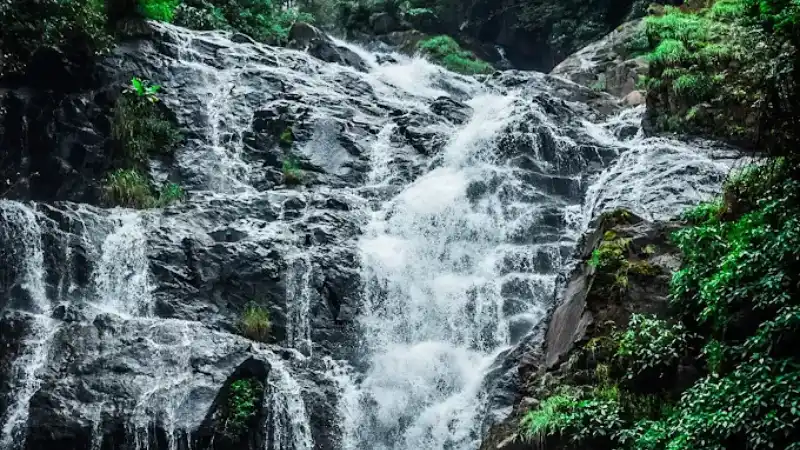
Trail 01: Dudhsagar Waterfall Trek
- Difficulty: Moderate
- Distance: 11 km
- Duration: 5–6 hours
The most iconic trek in Goa. The trail winds through Bhagwan Mahavir Wildlife Sanctuary to reach Dudhsagar — one of India's tallest waterfalls at 310 m. The route passes through thick evergreen forest and crosses a railway track. Best done October to February. Entry requires Forest Department permission.

Trail 02: Mollem National Park Trek
- Difficulty: Easy to Moderate
- Distance: 6–12 km
- Duration: 3–5 hours
Multiple trail options fan out from Mollem village into the sanctuary. Key highlights include Tambdi Surla Mahadev Temple (12th century), Devil's Canyon, and Vazra Sakhla Waterfall. The forest is rich with birdlife. A licensed local guide is highly recommended and often mandatory.

Trail 03: Chorla Ghat Trek
- Difficulty: Moderate
- Distance: 8–14 km
- Duration: 4–6 hours
Located on the tri-junction of Goa, Karnataka, and Maharashtra, Chorla Ghat is a trekker's paradise. The mountain pass at ~800 m offers cloud-level forest walks, spectacular valley views, and the chance to spot rare orchids and hornbills. Night treks here are popular from November onwards.
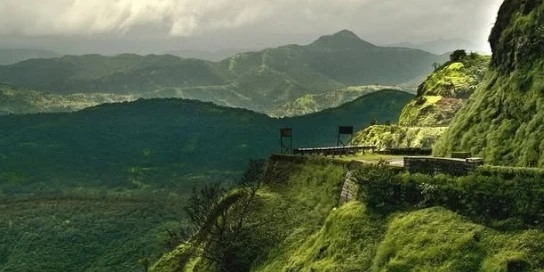
Trail 04: Sonsagar Peak Trek
- Difficulty: Challenging
- Distance: 16–20 km
- Duration: 8–10 hours
For experienced trekkers only. This summit trek leads to Goa's highest point at approximately 1,167 m. The trail is unmarked in sections and passes through thick forest with steep gradients. The panoramic view from the summit — stretching across the Ghats and down to the coast — is unmatched in Goa.

Trail 05: Cabo de Rama Coastal Walk
- Difficulty: Easy
- Distance: 4–6 km
- Duration: 2–3 hours
A beautiful clifftop walk along South Goa's coastline near Cabo de Rama Fort. The laterite cliffs offer sweeping views of the Arabian Sea. Ideal for early morning walks or sunset hikes. No technical skills required — perfect for families and casual walkers.

Trail 06: Netravali Wildlife Sanctuary Trail
- Difficulty: Moderate
- Distance: 10–15 km
- Duration: 5–7 hours
One of Goa's lesser-visited sanctuaries, Netravali is ideal for those seeking solitude. The trail passes Bubble Lake (a natural phenomenon), dense forests, and perennial streams. Wildlife sightings of gaur, sambar deer, and Malabar giant squirrels are common. Entry with guide only.
4. Best Season for Trekking in Goa
Goa experiences three distinct seasons that dramatically affect trail conditions. Here is a quick breakdown to help you plan:
| Season | Months | Conditions | Trek Rating |
|---|---|---|---|
| Post-Monsoon | Oct – Nov | Lush green forests, full waterfalls, mild temps (22–30°C), some mud on trails | Excellent |
| Winter | Dec – Feb | Cool, dry, and clear skies. Ideal temperature range. Most trails accessible. | Best Season |
| Summer | Mar – May | Hot (35–42°C), dry, dusty. Waterfalls reduced. Early morning treks possible. | Manageable |
| Monsoon | Jun – Sep | Heavy rainfall, flooded trails, leeches, high landslide risk. Sanctuaries closed. | Avoid |
Verdict: December to February is the ideal trekking window in Goa — temperatures are comfortable, forest trails are dry, and visibility is excellent. October and November offer spectacular greenery but expect muddy paths and occasional rain.
5. Essential Trekking Tips for Goa
- Always hire a local guide for sanctuary treks. Trails inside Mollem, Netravali, and the Dudhsagar zone are poorly marked and require Forest Department permissions. Local guides also improve wildlife spotting chances significantly.
- Carry at least 2–3 litres of water per person per day. Fresh water sources on trails are unreliable and may carry parasites. Electrolyte sachets are useful for longer hikes in heat.
- Use leech socks in October–November. The post-monsoon period brings leeches to forest trails. Wear leech-proof socks, apply salt or tobacco as deterrents, and check clothing after hikes.
- Wear proper footwear. Avoid flip-flops and sandals for any trail beyond coastal walks. Ankle-support trekking shoes are recommended for all Western Ghats routes.
- Mobile signal is unreliable inside deep forest zones. Download offline maps (Maps.me or OsmAnd) before heading out and share your itinerary with someone before you depart.
- Leave No Trace. Goa's forests are part of a fragile and biodiverse ecosystem. Pack out all waste, avoid picking plants or disturbing wildlife, and stick to marked trails to minimise impact.
- For night treks at Chorla Ghat, carry a headlamp with extra batteries, wear full-length clothing to protect from insects, and never split from the group.
Frequently Asked Questions
Is Goa good for trekking?
Yes, absolutely. While Goa is primarily known for its beaches, its eastern belt along the Western Ghats offers excellent trekking terrain. Trails range from easy coastal walks to challenging summit routes, making Goa suitable for trekkers of all levels.
What is the best time for trekking in Goa?
The best time for trekking in Goa is October to March. December through February is the peak season — temperatures are pleasant (20–28°C), trails are dry, and all forest zones are fully accessible. October and November offer lush scenery after monsoon, but some trails may still be muddy.
Which is the most popular trek in Goa?
The Dudhsagar Waterfall Trek is Goa's most popular trek. The approximately 11 km trail through Bhagwan Mahavir Wildlife Sanctuary leads to one of India's tallest waterfalls. It requires a Forest Department permit and is best done with a registered guide.
Do I need a permit to trek in Goa?
Yes, for treks inside protected areas like Mollem National Park, Bhagwan Mahavir Wildlife Sanctuary, and Netravali Wildlife Sanctuary, you require a Forest Department entry permit. These are typically arranged through your guide or the sanctuary entry office. Some treks (like Dudhsagar) require advance booking, especially in peak season.
Are there night treks in Goa?
Yes. Night treks are popular in areas like Chorla Ghat and Tambdi Surla from October to February. They are typically organised by local adventure groups and involve forest walks under moonlit canopies. A licensed guide is essential for safety. Average duration is 4–6 hours.
Can beginners trek in Goa?
Definitely. Trails like Cabo de Rama Coastal Walk, parts of Mollem, and the Chorla Ghat nature paths are ideal for beginners. They are relatively short, well-defined, and do not require any special equipment or prior experience. Always carry water and go with a guide for forest routes.
Trekking in Goa Guide · Updated May 2025
Always check Forest Department permissions before entering protected areas. Trek responsibly.